

Solar energy is one of the most abundant and clean energy sources available on Earth. As concerns about climate change and rising utility costs grow, more people are turning to the sun to power their homes and businesses. But how exactly does solar energy work, and what should you know before making the switch?
This comprehensive guide will walk you through everything you need to know to unlock the full potential of solar energy — from how it works to its benefits, system types, installation process, and more.

1. What Is Solar Energy?
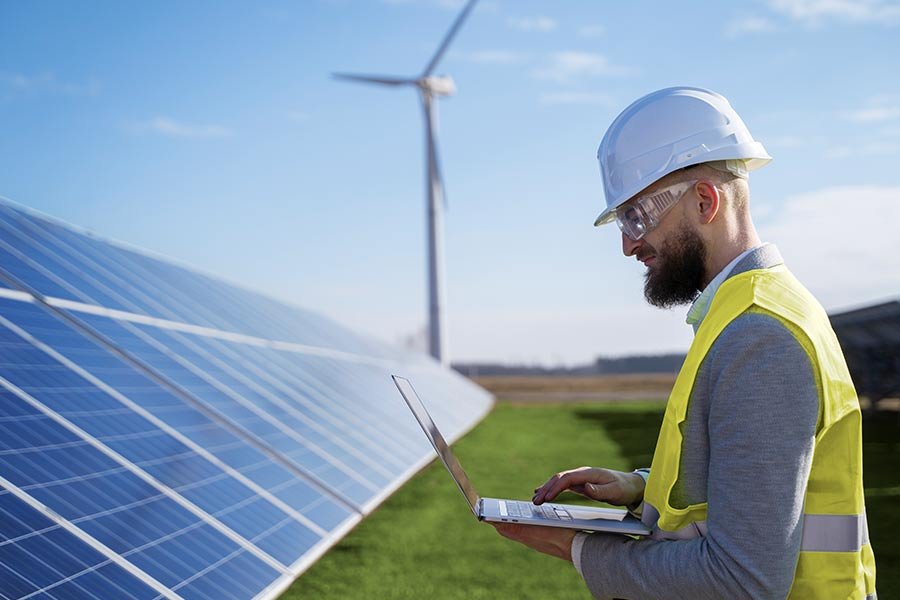
Solar energy is the energy generated by the sun’s rays. It can be harnessed using various technologies, with solar photovoltaic (PV) panels being the most common for residential and commercial use.
These panels convert sunlight into electricity, allowing you to power everything from lightbulbs to industrial machinery — all without producing harmful emissions.
2. How Does Solar Power Work?
Here’s a simplified overview of how a solar power system works:
-
Solar Panels absorb sunlight and convert it into direct current (DC) electricity.
-
An inverter converts DC into alternating current (AC), which your home or business can use.
-
The electricity powers your devices, and any excess energy can be stored in a battery or fed back into the grid (earning you credits through net metering).
3. Types of Solar Energy Systems
There are several types of solar setups, each suited to different needs:
✅ Grid-Tied Solar Systems
-
Connected to your utility provider
-
Allows net metering
-
Lower upfront cost, but no backup during outages
✅ Off-Grid Solar Systems
-
Fully independent from the utility grid
-
Requires battery storage
-
Ideal for remote locations
✅ Hybrid Solar Systems
-
Combine grid connection with battery backup
-
Provide power during outages and reduce reliance on the grid
4. Key Components of a Solar Energy System
Understanding the essential components can help you make informed choices:
-
Solar Panels – Capture sunlight
-
Inverter – Converts electricity to usable form
-
Mounting System – Secures panels to roof or ground
-
Battery Storage (optional) – Stores excess power
-
Charge Controller – Manages battery charging (mainly in off-grid systems)
-
Monitoring System – Tracks energy production and performance
5. Benefits of Solar Energy
Switching to solar comes with a wide range of advantages:
🌞 Environmental Benefits
-
Reduces greenhouse gas emissions
-
Lowers dependence on fossil fuels
-
Helps combat climate change
💰 Financial Savings
-
Lower or eliminate electricity bills
-
Protect against rising utility rates
-
Federal and local tax credits and incentives available
🏡 Increased Property Value
-
Solar-powered homes sell faster and at higher prices
-
Considered a long-term asset by many buyers
🔌 Energy Independence
-
Produce your own power
-
Store energy for emergencies or night use
6. Is Solar Right for You?
Before investing, consider these factors:
-
Roof condition and orientation – South-facing roofs with minimal shading are ideal.
-
Local climate – Solar works best with consistent sun exposure, but modern systems work even in cloudy areas.
-
Energy usage – The more you consume, the more you can save with solar.
-
Financial incentives – Federal tax credit (ITC), rebates, and net metering can reduce overall costs.
7. Steps to Going Solar
Here’s how to get started with your solar journey:
-
Evaluate your energy needs – Review past utility bills.
-
Get a professional site assessment – Solar installers will check your roof, shading, and system size.
-
Compare quotes and choose a provider – Look for experience, warranties, and financing options.
-
Secure financing or use cash – Loans, leases, and power purchase agreements (PPAs) are available.
-
Install your system – This typically takes 1–3 days.
-
Connect and activate – Utility approval and inspection are required before your system goes live.
8. Future of Solar Technology
Solar energy continues to evolve rapidly. Key advancements include:
-
Perovskite solar cells – Promising greater efficiency
-
Solar shingles – Aesthetic integration into roofs
-
AI and smart inverters – Optimize energy use
-
Improved battery storage – More reliable and longer-lasting
These innovations make solar more efficient, accessible, and sustainable than ever before.